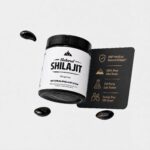

Look, I get it — shilajit sounds like something a medieval alchemist would sell you out of a leather pouch. It’s a dark, tar-like resin scraped from mountain rocks at high altitude, and people pay hundreds of dollars for a jar of it. But here’s the thing: when you strip away the mysticism, shilajit is one of the most mineral-dense natural substances on the planet, and Natural Shilajit has quietly become one of the most trusted names in the space. I’ve been digging into their lineup and the brand behind it, and it’s genuinely interesting — not because of hype, but because of how they source and test the stuff.
Pros & Cons
| ✅ Pros | ❌ Cons |
|---|---|
| Sourced from the Altai Mountains, not mass-farmed | Premium pricing — flagship resin is $249 |
| Lab tested for purity, PCBs, furans, and dioxins | Taste is an acquired challenge (earthy, bitter) |
| Multiple formats: resin, gummies, drops, PRO formula | Resin is messy to handle — sticky like tar |
| Clean ingredient profile — no fillers or junk binders | Effects build gradually; not instant gratification |
| Eco-conscious packaging (glass, cardboard, recyclable) | 10g starter size is only enough for ~2 weeks |
What Is Natural Shilajit?
Natural Shilajit is a US-based supplement brand operated by Healthy Nutrition Group LLC, focused almost entirely on shilajit and adjacent wellness products like functional mushrooms. Their shilajit isn’t sourced from the Himalayas like most competitors — it comes from the Altai Mountains in Siberia, a region known for exceptionally mineral-rich deposits.
For the uninitiated: shilajit is a naturally occurring substance that oozes from rock crevices at high altitudes, formed over centuries by the slow decomposition of plant matter under pressure. It’s packed with fulvic acid, humic acid, and over 70 trace minerals. Think of it as a concentrated shot of what your soil-depleted vegetables can’t give you anymore.
Natural Shilajit sells it in four main forms: the classic resin (available in 10g starter and 150g bulk sizes), gummies for people who can’t stomach the taste, sun-dried drops (tablets), and a Shilajit PRO formula that pushes the potency further. The 150g resin is their flagship — it’s what put them on the map.

What Makes It Stand Out From Other Shilajit Brands
The shilajit market is a minefield. You’ve got brands selling diluted powders, brands that can’t prove their sourcing, and plenty of Amazon listings with fake reviews. Natural Shilajit does three things that separate them from the noise.
First, the lab testing. They test every batch for heavy metals, PCBs, furans, and dioxins against both EU standards and California Prop 65 limits. That’s not marketing fluff — it’s the kind of testing actual supplement companies do when they’re serious about not poisoning their customers. Most shilajit on Amazon skips this entirely.
Second, the Altai source. Most shilajit brands claim Himalayan origin, but the Altai Mountains produce a resin with a slightly different mineral profile — higher in certain fulvic acid compounds. Is it objectively better? That’s debatable. But Natural Shilajit works directly with a long-time supplier in the Altai region rather than buying through intermediaries, which gives them traceability most competitors can’t match.
Third, they’re not just a one-product brand. The gummies and drops aren’t afterthoughts — the gummies pack a 7-ingredient formula built around shilajit resin, and the sun-dried drops give you a 4-month supply in tablet form. If you hate the resin’s taste (fair), you can still get the benefits without the tar-like experience.
The Resin Experience: What Using It Is Actually Like
Let me be real: shilajit resin is not a pleasant experience. You dissolve a pea-sized amount in warm water or tea, and it turns your drink into something that looks and tastes like diluted asphalt. The flavor is intensely earthy, slightly smoky, and bitter. Some people mix it with honey or add it to coffee. I’d recommend the coffee route — it masks most of the taste.
The texture is another story. Sticky doesn’t begin to describe it. The resin clings to everything — your spoon, the jar rim, your fingers. You’ll want to keep a dedicated spoon just for shilajit and store the jar upright at all times unless you enjoy cleaning oily black residue off your counter.
As for effects: don’t expect a caffeine-like jolt. Shilajit works on a different timeline. Most people report improved energy levels after about a week of consistent use — not wired energy, but a steady, noticeable lift. It’s subtle. If you’re looking for pre-workout-style intensity, this isn’t it. If you want something that supports your baseline energy without the crash, shilajit is in that lane.

The Price: Is $249 Justified?
Here’s where it gets polarizing. The 150g resin jar costs $249. That’s up there. But the math is worth doing: at the recommended pea-sized dose (roughly 300-500mg), a 150g jar lasts about 10-12 months. That works out to roughly $20-25 per month. Compared to buying a $35 10g jar every two weeks (which would cost ~$70/month), the big jar is actually the value play.
The gummies sit at $24.90 for a bottle, and the sun-dried drops are $30 for a 4-month supply. Those are more accessible entry points if you want to test whether shilajit works for you before committing to the resin. The PRO formula at $259 pushes potency claims further, but for most people, the standard 150g resin is the sweet spot if you’re already sold on shilajit as a supplement.
Natural Shilajit also runs bundles — their Daily Boost bundle pairs the resin with complementary products at $204. If you’re planning to go all-in on the brand, the bundles cut the per-product cost meaningfully.
The Tradeoffs Nobody Talks About
Shilajit isn’t for everyone and pretending otherwise doesn’t help anyone. The taste is genuinely bad — not “acquired taste” bad, but actively unpleasant. If you have a sensitive stomach, shilajit can cause mild nausea when taken on an empty stomach. It’s also not recommended for people with hemochromatosis (iron overload) since shilajit is naturally high in iron.
Consistency matters more with shilajit than with most supplements. Skip three days and you’re back to square one on the energy benefits. Some people report mild headaches in the first few days while their body adjusts, and the detox-like effect (your body processing the mineral influx) can feel weird at first.
The packaging, while eco-friendly, is also a double-edged sword. The glass jar looks premium on a shelf but weighs a ton for shipping and is one drop away from a kitchen disaster. The wooden lid on some jars is aesthetic but not as airtight as you’d want for a product that hardens when exposed to air.

Who Should Buy Natural Shilajit?
Natural Shilajit makes the most sense for people who are already supplement-savvy and want a clean, lab-tested shilajit source with traceable origins. If you’ve tried cheap Amazon shilajit and wondered why it didn’t do anything, the quality difference here is real. The 150g resin jar is the best value if you know shilajit works for you.
Beginners should start with the 10g jar ($35) or the gummies ($24.90). The gummies completely bypass the taste issue, making them the lowest-friction way to test whether shilajit delivers for your body. If you don’t notice anything after finishing the 10g, you’re out $35 instead of $249 — that’s the smart play.
Skip it if: you’re expecting an overnight transformation, you can’t handle bitter/earthy flavors (and don’t want gummies), or you’re on blood-thinning medication (shilajit can interact). Also skip if you’re just curious but not committed — shilajit rewards consistency, and casual use is basically throwing money away.
Where to Buy
(affiliate link — I may earn a commission at no extra cost to you)
The Bottom Line
Natural Shilajit isn’t the cheapest shilajit on the market, and it doesn’t try to be. What you’re paying for is verifiable sourcing from the Altai Mountains, batch-level lab testing most competitors skip, and a brand that’s built its entire identity around getting this one substance right. The 150g jar at $249 stings upfront, but broken down per serving, it’s actually more economical than the constant re-buy cycle cheaper brands lock you into.
If you’re already sold on shilajit as a supplement, this is one of the few brands where you don’t have to wonder what’s actually in the jar. If you’re shilajit-curious, start with the gummies or the 10g trial — both are affordable ways to see if your body responds before you commit to the full-size resin.
Check out Natural Shilajit’s full lineup here →